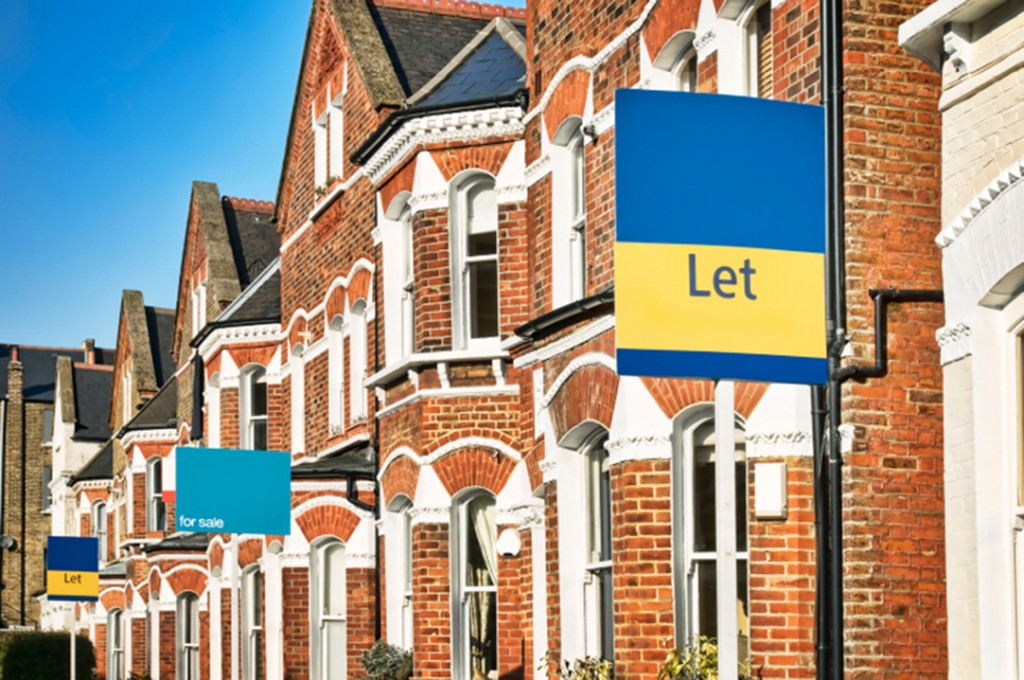
Rents in affordable parts of the UK are rising twice as fast as the national average, the latest index from Zoopla shows.
While rent inflation in the UK as a whole slowed to 2.1%, growth in areas with average rents of £750 a month or less rose 5% year-on-year.
Meanwhile, demand for rental homes fell to its lowest level in six years, with the average number of inquiries per rental listing falling to 5.6 in May, down from a peak of around 16 in 2022.
Zoopla found that in more expensive markets, rents are constrained by limits on what renters can afford, but a lack of supply in lower-cost locations is pushing rents higher.
The fastest rent growth was recorded in Carlisle, where rents rose by 9.1%, followed by Kilmarnock by 9% and Halifax by 6.5%.
In contrast, rents fell in several major markets, including Bournemouth, down 1.7%, Nottingham, down 1.5%, and Birmingham, down 1.1%.
Despite strong growth, rents in the fastest-growing markets remain well below the national average.
Average rents in Carlisle, Kilmarnock and Halifax are around £700 per month, around 45-50% lower than the UK average.
Nationally, rent inflation fell to 2.1% from 2.6% the previous year.
Median incomes are currently rising by 4% per year, meaning that wage growth has outpaced rent inflation over the past 18 months.
However, supply remains limited, with every region and country in the UK having 20-30% fewer homes available to rent than before the pandemic.
London remains an exception to broader market trends.
The capital was the only area to record an increase in rental demand, with inquiries up 6% year-on-year.
Zoopla says higher mortgage rates are keeping potential first-time buyers in the rental market longer, pushing rent inflation in London to 2.2% from 1.9% a year ago.
Average rents in the capital are now £2,206 per month.
Zoopla expects rental inflation to remain between 2% and 3% for the rest of 2026, but warns that affordability gains could be fragile unless more rental homes come to the market.
“We are seeing a divide in how different regions and cities respond to changes in the supply and demand of rental homes,” says Richard Donnell, CEO of Zoopla.
“Our latest report shows how quickly the gap in rents between affordable areas and major cities where rents are highest is closing.
“Rent inflation is more subdued in most major UK cities given already stretched affordability levels for renters.
“While rental demand is at a six-year low, low levels of new investment in private rented housing means homes to rent remain scarce, resulting in continued upward pressure on rents.
“It is positive that earnings continue to grow faster than rents nationally but the tenant experience in local areas varies widely and is challenging for lower income tenants.
“Increasing the supply of rental homes is the single most effective way to improve affordability for private renters, especially those living in traditionally affordable areas who have the fewest options and face steep increases.”
Julie Ford, founder of Lettings Advice Service, says: “The rental market is settling into a more sustainable rhythm, with inquiries per property falling below the recent peak in demand.
“This is not a sign of decreased demand, renters still need homes, but many are choosing to settle under the Tenants’ Bill of Rights, which reduces disruption rather than reducing need.”
Propertymark chief executive, Nathan Emerson, says: “While it is positive to see rent growth slowing nationally and wage growth starting to outpace rent increases, these figures prove that affordability pressures have not gone away.
“In many areas where rents have traditionally been lower, demand remains strong and the limited supply of housing is pushing prices up faster than the national average.
“The fundamental problem remains the chronic undersupply of rentals.
“Propertymark member data consistently shows that potential demand for renters continues to outpace available stock, and despite some easing in competition, there are still too few homes available to meet housing needs.
“This is particularly evident in low-cost locations where tenants often have fewer alternatives and less flexibility when prices rise.
“To improve affordability and provide greater choice for renters, we need to see increased investment in the private rented sector, increased confidence among current landlords to remain in the market, and a sustained increase in the supply of homes available to rent.”
About the Author